 School
How to Plan a Sensory-Friendly Birthday Party
Sensory-friendly planning begins with the individual children attending. A sensory activity does not automatically make a whole party comfortable for every guest.
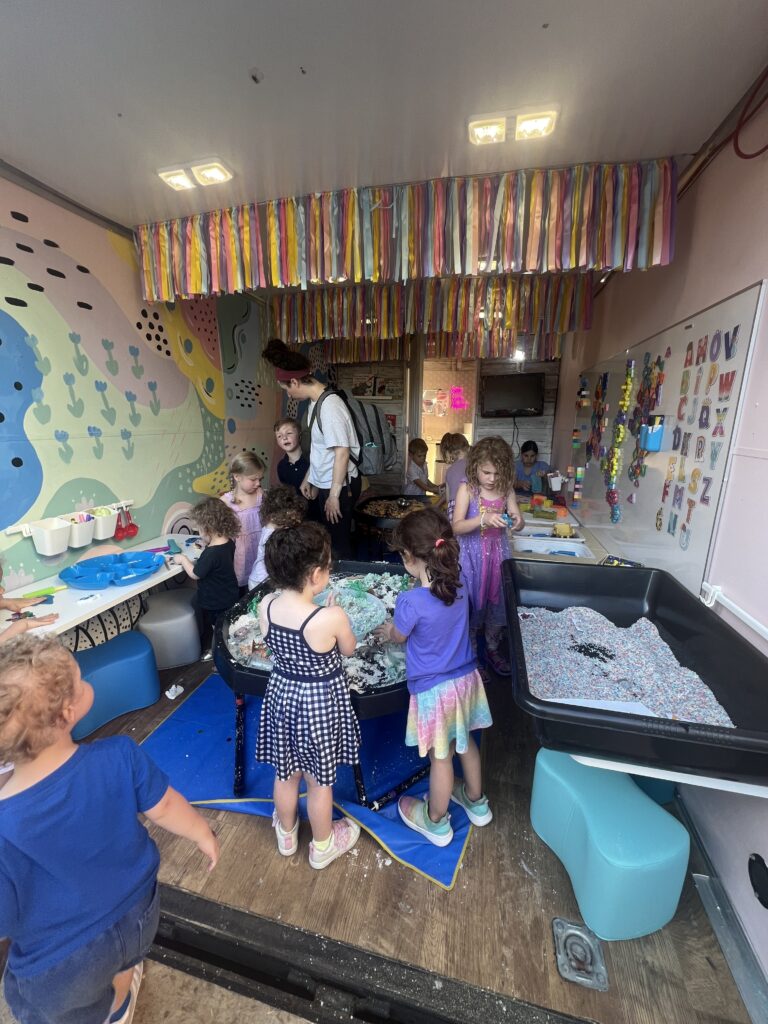
Ask what helps each child participate
A sensory-friendly birthday party is an intention you build into the experience, rather than a promise that one activity will suit everyone. Children can have very different responses to sound, light, movement, textures and groups. Start by asking caregivers what helps their child participate and what they would like you to know.
You do not need to ask guests for a diagnosis. Ask practical questions: Would a quieter break area help? Is there a material we should avoid? Does advance information about the schedule make joining easier? Which caregiver will support the child during the event?
Use the answers to plan the party and share relevant needs privately with the activity provider. Avoid including a child’s personal information in a group invitation or public post.
Make the event more predictable
A short schedule can help families understand what will happen. Describe the main activity, whether food follows and whether guests will move between spaces. Send a photo of the planned setting if you have one you are allowed to share, rather than promising that the environment will look exactly a certain way.
When guests arrive, show them where activities, food, bathrooms and breaks are. Use simple warnings before transitions: explain that play will finish soon and food will be next. Keep those messages calm and clear.
Predictable does not need to mean rigid. Let a child stay with a caregiver, observe first or join after the group begins. Build enough time into the event that a slower arrival does not feel like a problem.
Offer choices without pressuring participation
Choose activities with more than one way to engage. A child might touch a material, use a tool, watch another guest or move to a different station. Do not insist that everyone try a texture, join a song or stand for a photo.
Plan a quieter place for a child and caregiver to take a break. Ask whether background music is necessary and avoid surprise noise where you can. Keep the guest group and activity layout manageable for the adults supervising it.
- Tell families about planned music or group activities beforehand.
- Keep food separate from sensory-play materials.
- Use materials suitable for the children’s ages and supervise directly.
- Allow children to step away and return.
- Ask before photographing guests and respect a family’s choice.
Distinguish sensory play from therapy
Sensory play can be an enjoyable party activity. A birthday party is not individual occupational therapy, an assessment or a clinical treatment plan. Avoid making promises about outcomes or assuming that a sensory activity addresses every child’s needs.
Sense Up School provides sensory enrichment experiences founded by a pediatric occupational therapy professional. If a child has specific support requirements, discuss them with their caregiver and the team before booking. Ask what can be arranged for the event and what the family will need to provide. Personalization starts with that conversation.
A considerate host can offer flexibility while being honest about the environment and available support. That is more useful than applying a broad label and expecting it to answer all accessibility questions.
Choose the party format that matches your group
For Twin Cities families, Sense Up School offers mobile sensory trailer parties and activities-only parties. The trailer has heat and air conditioning, and the team brings a generator. Compare packages and current prices based on the space and support you need.
A familiar home setting may suit some groups, while others may enjoy the trailer. An instructor-guided activity does not remove a child’s need for caregiver support, and a host-led format needs a clear adult plan. Discuss the children’s ages, group size, and practical needs rather than assuming either format is universally better.
Describe any preferred changes to music, lighting, materials, or transitions before booking. Ask what can actually be arranged for your event and tell caregivers what is agreed. That conversation is more useful than relying on the phrase “sensory-friendly” as a guarantee.
Give families clear information before the day
Confirm your location is within the 40-mile service radius and share specific site information with the team. When you book and pay, your date is still a request until availability is confirmed. If the requested date is unavailable, we will arrange another date with you or refund your party purchase.
Once confirmed, send caregivers a concise description of the experience and how breaks and supervision will work. Check the FAQs and planning guide for general logistics, then add the details your own guests need. The goal is an enjoyable celebration with room for different ways to take part.