 School
Planning Sensory Enrichment for a Twin Cities Daycare or Preschool
A useful enrichment visit starts with the setting's daily routine. Give the provider clear group information and agree on the format before promising a schedule to families.
Define the purpose of the visit
For a daycare or preschool, sensory enrichment should fit the program rather than interrupt the whole day. Start with a practical goal: offer a new play experience, introduce several ways to explore materials, or create an occasional special visit within a familiar routine. Write down what would make the visit workable for children and staff.
A sensory enrichment visit is not individual therapy, a diagnostic service, or a guarantee of a developmental outcome. Children may explore, watch, repeat a preferred activity, or take a break. A useful provider conversation focuses on the environment, activities, supervision, and participation choices. This gives directors concrete information to evaluate without relying on broad claims about what every child will gain.
Describe the group accurately
Include the number of children, age ranges, classroom groupings, and expected staff participation when asking for a quote. A single mixed-age group is a different planning problem from several classrooms rotating through an experience. If attendance changes by day, explain the likely range rather than sending only the program’s licensed capacity.
Share relevant access or material considerations without putting unnecessary personal information in an initial inquiry. The provider needs to know whether the format can suit the group, but individual records should stay within your program’s appropriate communication process. Ask how the activities can offer different ways to participate and what adults should do when a child chooses to observe.
Fit the experience around the daily routine
Offer possible time windows that account for meals, rest, arrivals, and departures. Ask about the activity duration, arrival time, setup, transitions between groups, and cleanup before committing staff to a schedule. If several classrooms participate, agree on the sequence and allow time for movement and hand cleaning rather than booking every minute back-to-back.
A recurring arrangement needs the same clarity as a one-time visit. Discuss how dates are confirmed, who communicates changes, and how the program will evaluate whether the format remains useful. Do not assume that a party package or its standard guest count automatically applies to a childcare setting. Sense Up School daycare enrichment is quoted for the requested arrangement.
Clarify space and adult roles
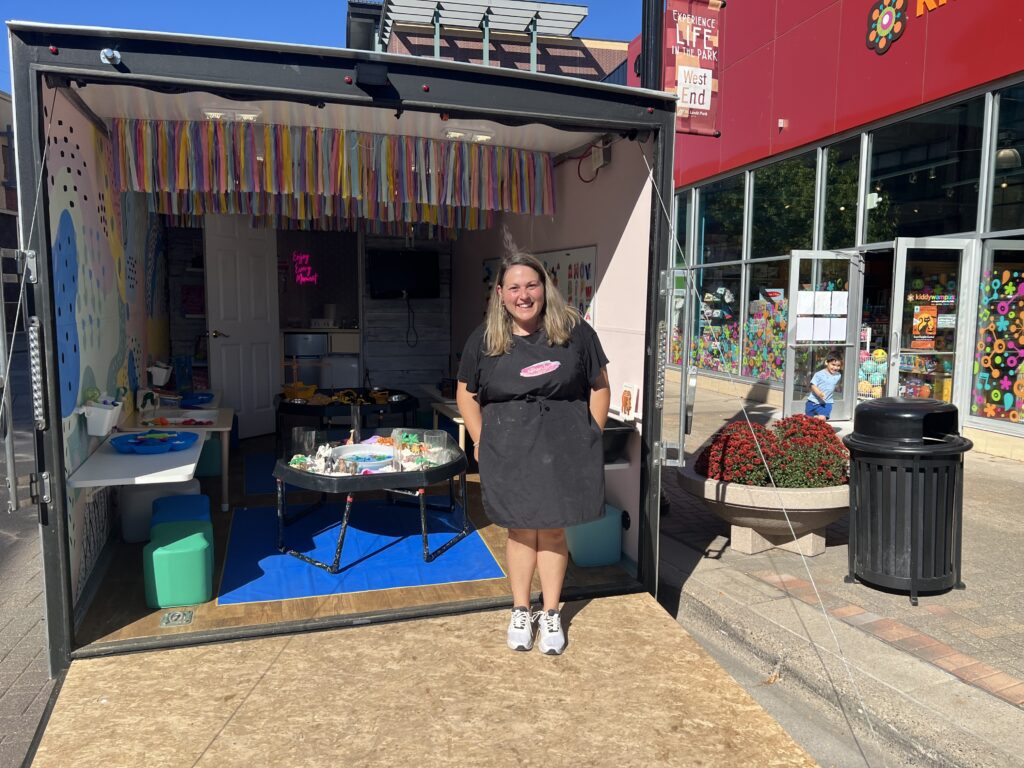
Describe your proposed activity area and any shared-property permissions or access constraints. For a mobile option, include the exact address and how arrival would work. Sense Up School serves a 40-mile radius from its operating base; the team should confirm your location. The team brings a generator, and the trailer has heating and air conditioning, but those features do not replace checking the proposed setup.
Agree on which adults supervise the children, who leads the supplied activities, and how your staff remain involved. An enrichment provider should not be assumed to replace your program’s required staffing or procedures. Review your own policies and ask for any information your program needs before approving an outside visit.
Ask specific questions about materials
Ask what materials will be used for your age groups, how equipment is prepared, and how children who mouth objects can participate appropriately. Discuss allergies or restrictions that affect material selection through the proper channel. Small objects and loose fillers may be unsuitable for some children, so age labels alone should not end the conversation.
Plan where food will be kept and how hands will be cleaned afterward. Consider a lower-activity place for a pause and a simple explanation staff can give before the visit. Children may be more comfortable when the sequence is familiar: arrive, explore, clean hands, return to the classroom routine. Keep family communications factual about the experience rather than promising a clinical benefit.
Request a quote with enough detail to act on
Use the daycare enrichment inquiry to share the program name, contact details, ZIP code, age ranges, and estimated group size. In “Anything else we should know?”, include the street address, preferred dates, single or recurring visit preferences, and important space or scheduling constraints. This makes the first response more useful than a general request for a price.
Ask the team to confirm the scope, timing, staff roles, cost, and payment process in writing before notifying families of a firm date. Daycare visits use a quote process rather than the standard birthday checkout. Review the planning questions above with your staff before approving a visit. You can also review the FAQ and mobile sensory experiences page to decide what questions belong in your request.